
Adolescent Medicine — A Doctor Your Teenager Can Trust
- Home
- Services
- Adolescent Medicine
The teenage years bring some of the most significant changes a human being will ever experience — physically, emotionally, socially, and cognitively. Teenagers need a physician who takes them seriously, respects their privacy, does not lecture them, and is honest with them about their health. At Happy Days Pediatrics, adolescent care means exactly that: a safe, non-judgmental space where teenagers are treated as the intelligent, capable people they are becoming.
Dr. Barakah Day sees teens for annual wellness exams and for the full range of concerns that come with adolescence: acne, sports injuries, anxiety, depression, questions about their bodies, questions about relationships, and questions they may not feel comfortable asking their parents. Every adolescent visit includes private time alone with Dr. Day — in addition to time with parents — because confidentiality is not a courtesy for teenagers, it is a clinical necessity.
Adolescent medicine is not separate from the rest of pediatrics; it is its culmination. Dr. Day has followed many of her patients since birth, and by the time they reach adolescence, she knows them and their families in a way that no urgent care or adult physician ever could. That continuity of care is one of the most important things we offer teenagers. Learn more about adolescent health recommendations from the American Academy of Pediatrics (AAP).
What To Expect
- Annual adolescent wellness exam
- Private one-on-one time with Dr. Day at every visit
- Mental health screening — depression (PHQ-A), anxiety (GAD-7)
- Substance use screening (CRAFFT) — honest, non-punitive conversation
- Reproductive and sexual health education and care
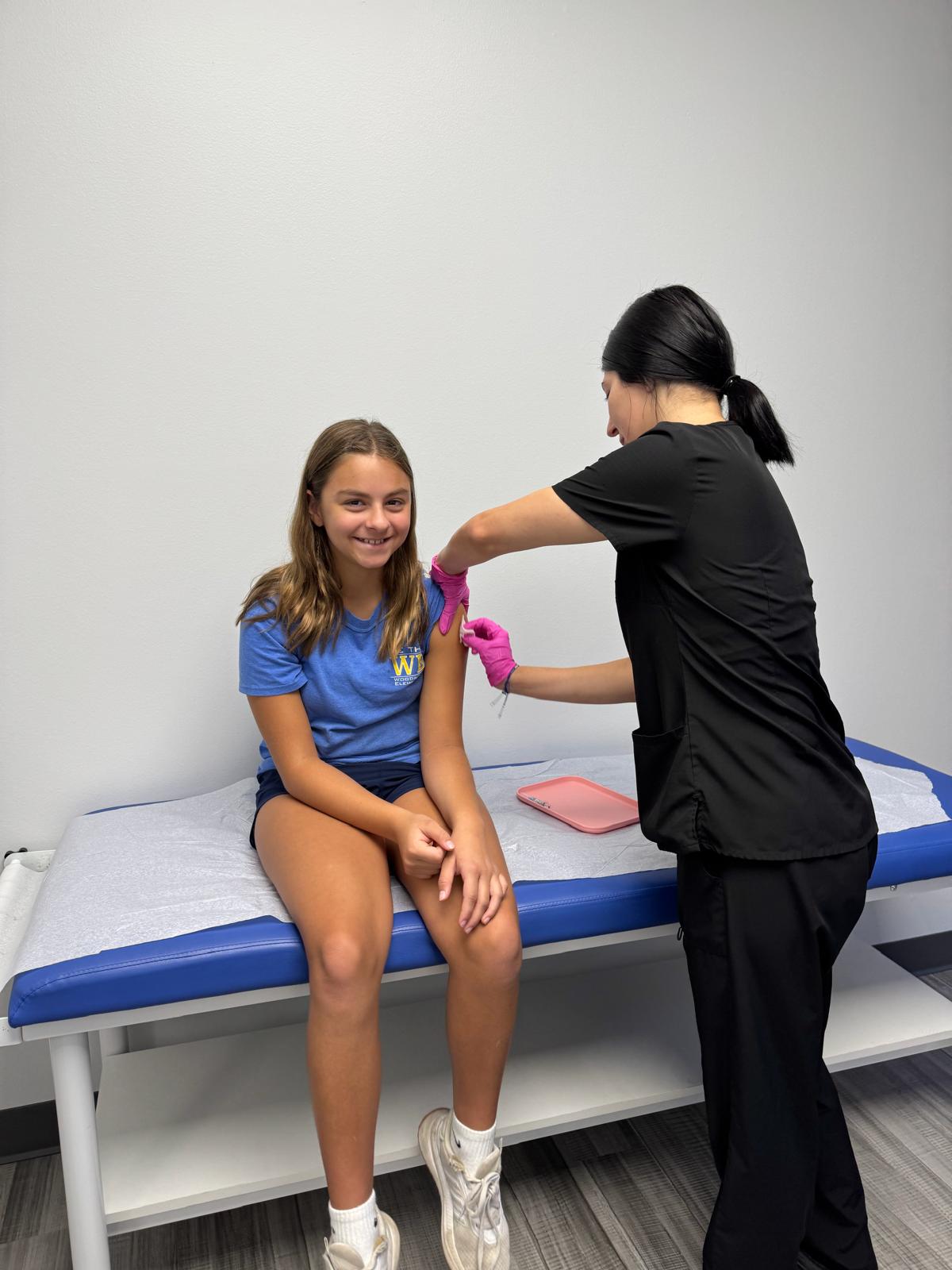
- HPV vaccine series and other adolescent immunizations
- Acne evaluation and treatment options
- Sports injury evaluation and return-to-play assessment
- Nutrition and body image counseling
- College and career physical forms
- Transition planning to adult primary care (age 18+)
CONFIDENTIALITY — WHAT PARENTS SHOULD KNOW
Texas law permits minors to consent to certain types of care confidentially
Sensitive topics discussed with teens in private — sexual health, mental health, substance use
Parents receive general health updates — specific sensitive disclosures remain confidential unless there is a safety risk
If a teen discloses something that poses a safety risk to themselves or others, Dr. Day involves parents — and tells the teen this will happen
We actively encourage teens to involve trusted adults and we support family communication
FREQUENTLY ASKED QUESTIONS
Will you share what my teenager tells you in private?
Most sensitive conversations between Dr. Day and your teenager are kept confidential under Texas law and medical ethics standards. This is an intentional, important part of adolescent care — teens are more honest with physicians who guarantee privacy, which leads to better health outcomes. If your teenager discloses something that puts their safety at risk, Dr. Day will involve parents and will be transparent with the teen about doing so. We will discuss this policy fully at your first adolescent visit.
My teenager refuses to come to the doctor. Any advice?
This is extremely common. Most teens engage much better once they know the visit includes private time, that Dr. Day will not lecture them, and that she is on their side. Sometimes framing it as routine maintenance rather than a medical appointment helps. Call us — we have navigated this before.
Do you provide mental health care for teenagers?
We screen for depression and anxiety at every adolescent visit and provide initial support, counseling, and medication management for mild-to-moderate conditions. For teenagers who need ongoing specialized mental health treatment, we provide warm referrals to adolescent therapists and psychiatrists we trust. We stay connected to your teen’s mental health care even when a specialist is involved.
Does my teen need a separate doctor now?
Not yet. We care for patients through age 21. The transition to adult medicine is a process, not a sudden switch. We begin discussing transition planning around age 18 and work with families to ensure a smooth, uninterrupted handoff when the time comes.
Can my teen be seen for birth control or reproductive health?
Yes. Texas law permits minors to consent to certain reproductive health care confidentially. Dr. Day provides reproductive health education, STI screening, and guidance on contraception options as part of routine adolescent care. These conversations are handled with respect, without judgment, and with your teenager’s health and safety as the only priority.
What if my teen is struggling with their mental health and I am worried?
Call us. Do not wait for an annual appointment. Mental health crises in teenagers do not follow a schedule. We will see your child as soon as possible, assess the situation, and connect you with the appropriate resources. If there is an immediate safety concern, call 988 (Suicide & Crisis Lifeline) or go to the nearest emergency room.
Teens deserve a doctor they can trust.
Call (210) 816-1330 to schedule your teenager’s annual exam.